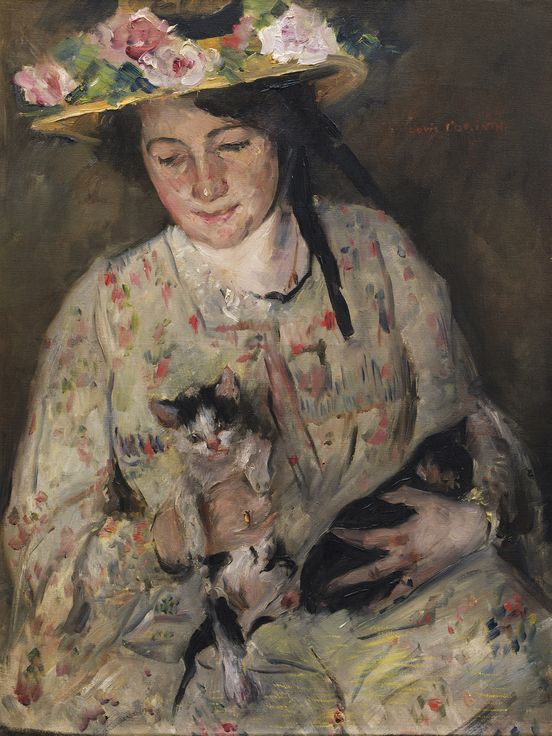
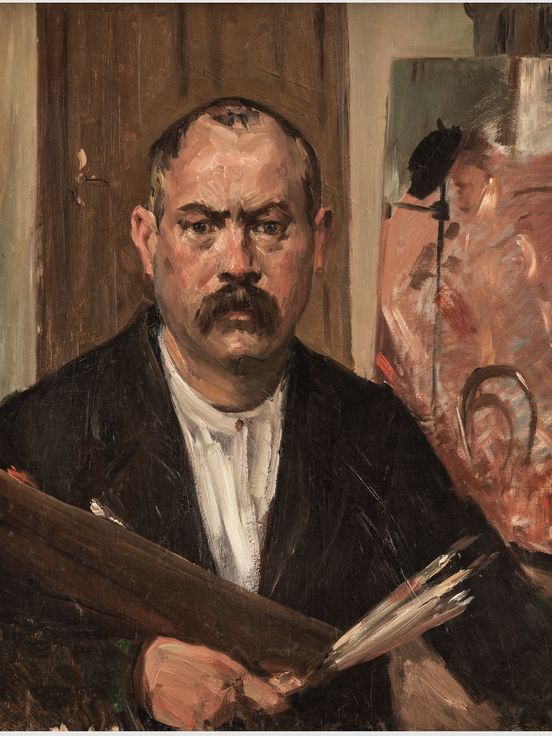
It is hard to exaggerate Lovis Corinth’s contribution to modernism. In his own lifetime the virtuosic painter (1858–1925) was one of the most eminent and influential figures in the Berlin art world. Born and raised in Tapiau (now Gvardeysk) in East Prussia, he moved to the German capital from Munich in 1901. At that time Berlin was already markedly more progressive and vibrant than the Bavarian royal seat. “It didn’t take off until Berlin,” Corinth reputedly said of his successful career on the Spree.
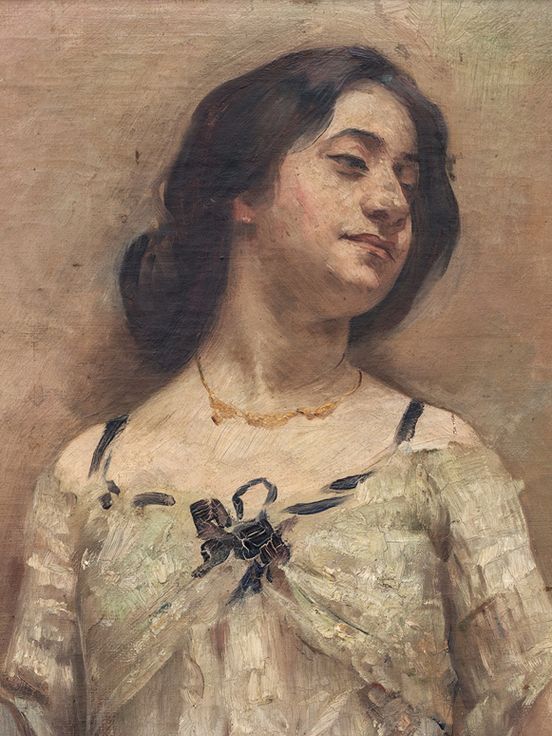
The Berlinische Galerie is planning a major show for autumn 2026: “Lovis Corinth: Then Came Berlin!”. It will focus on Corinth’s stellar rise to fame and his huge impact on the art scene in the city, but also on the role played by his domestic entourage. Just how modern the artist was in his work, his lifestyle and his thinking is just as evident in some of the lesser-known details to be spotlighted at this exhibition: Corinth’s school of painting, where he primarily taught women, and the work he did for Berlin’s theatres.
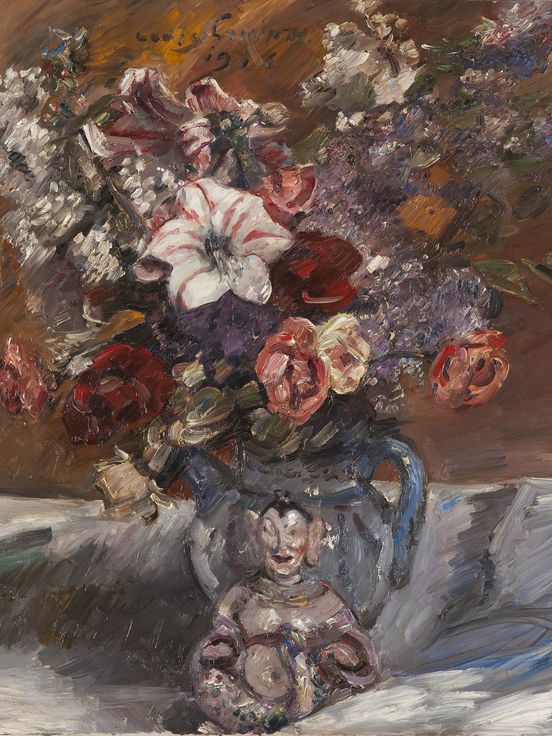
Corinth remains associated with his spontaneous, expressive use of brush and paint, which was to exert a decisive influence on the future course of art. We need only think of Berlin’s Junge Wilde, Georg Baselitz or the British painter Lucian Freud.
The Berlinische Galerie boasts a number of outstanding canvases by Lovis Corinth and will be conducting research into its own collection during the run-up to the exhibition. The event will extend the museum’s successful series of monographic shows devoted to modernism in Berlin, notably to Edvard Munch in 2023, Ferdinand Hodler in 2021, Lotte Laserstein in 2019, Jeanne Mammen in 2017 and Max Beckmann in 2015.
- All the explanatory exhibition texts are available in German and English.
- There is no information in Simple German.
- There is no information in German Sign Language.
- Some outreach events are held in or with German Sign Language.
- There is step-free access to the exhibition.
- Most exhibits and explanatory texts can be viewed and read when seated.
- Display cases are 68 cm high and can be viewed from a wheelchair.
- There are opportunities to sit down. Wheelchairs and folding stools can be borrowed free of charge from the cloakroom.
- To protect the works in the exhibition limited use is made of bright illumination.
- Most of the exhibition texts are designed with strong contrast.
- All the exhibition texts are available as a large-print brochure that you will find at the entrance to the exhibition.
- The exhibition contains no tactile floor guidance and no touch models.
- An audio guide to the exhibition is available with detailed descriptions and commentaries. Visitors can borrow it free of charge at the extrance to the exhibition or download the Web version onto their own device.
Click here for information about museum accessibility.
Do you have any other questions about accessibility? Christine van Haaren, Head of Education and Outreach will be happy to answer them via e-mail haaren@berlinischegalerie.de or via phone +49 (0)30-789 02-836.
Events
Flowers, Colour, Corinth
Flower-arranging workshop as part of the exhibition “Lovis Corinth: Then Came Berlin!”
Accompanying the exhibition

Trailer


